Overview
Instagram Debunks “Link in Bio” Reach Restriction Rumors
Instagram CEO Adam Mosseri has addressed a widespread rumor circulating on the platform: the claim that posts including the term “link in bio” are subject to reach restrictions is false. Some creators speculated that such posts were algorithmically penalized because they might direct users off-platform, be misused by scammers, or lead to questionable links. However, Mosseri stated that no such restriction is in place and users are free to use “link in bio” as they wish. He emphasized that the phrase does not affect post reach positively or negatively, and he himself uses it frequently. Any observed decrease in reach for posts containing this phrase might be attributed to other factors, such as the post itself being less engaging or users experiencing fatigue with the term, rather than an inherent platform restriction.

LinkedIn Shares Brand Building Tips for B2B Marketers
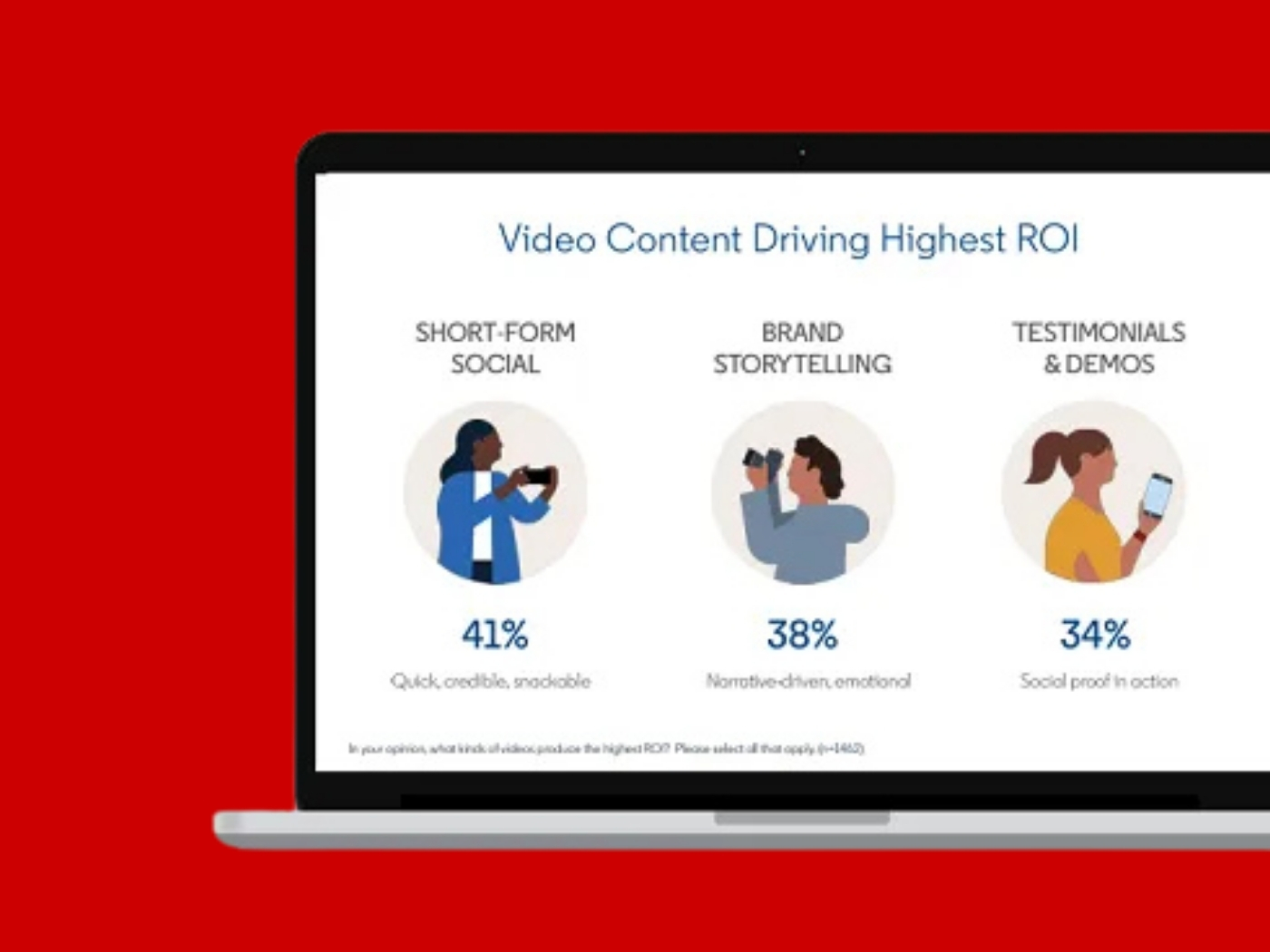
LinkedIn’s latest B2B Marketing Benchmark Report focuses on strategies for business-to-business (B2B) marketers to build trust and enhance brand credibility with their target audiences. Based on insights from 1,500 B2B marketing leaders, the report reveals that video content is the leading format for fostering trust and connection. Specifically, short-form video stands out in building trust, with brand storytelling and testimonials also playing significant roles. LinkedIn’s internal data corroborates this, showing a 36% year-over-year increase in video consumption on the platform, while short-form video creation is growing at twice the rate of other post formats, and video posts are shared 20 times more than any other content type. The report also highlights the importance of creator partnerships in boosting brand trust and outlines key considerations for such collaborations. LinkedIn provides actionable tips on how to integrate these findings into marketing strategies.
Pinterest Shares Tips on How to Maximize Your Pin Marketing Efforts
Despite economic uncertainties, Pinterest has provided four key tips for brands to boost their marketing strategies, especially in the lead-up to the holiday season. The platform suggests that budget cuts can harm brands in the long run. Here are Pinterest’s recommendations:
- Keep Awareness Campaigns Running: Maintaining top-of-mind brand presence is crucial. Focus on authentic storytelling and leverage features like Premiere Spotlight video takeovers to ensure your brand’s visibility in search and home feeds. Sustaining awareness is key to capturing early holiday shoppers.
- Find High-Intent Shoppers: Pinterest notes that its users continue to plan and shop within the app despite economic downturns. By utilizing performance marketing solutions and shopping formats, you can reach users most likely to take action, leading to increased clicks and conversions.
- Highlight Value and Deals: In challenging times, consumers are actively looking for deals. Brands should demonstrate an understanding of their target consumers’ concerns by offering products and packages that fit evolving budgets. Use promotions and deal features to spotlight special pricing or limited-time offers, making consumers confident that spending on your brand is a wise decision.
- Use AI and Automation to Enhance Performance: Pinterest emphasizes its AI-powered Performance+ shopping promotions as a significant opportunity. These tools optimize campaign settings to help you achieve expanded targeting or better return on ad spend (ROAS). AI’s ability to analyze vast data sets makes it highly effective in assessing potential ad campaign responses and providing optimization recommendations.
Elon Musk Says He Is Bringing Back Vine in AI Form: What Does It Mean?
Elon Musk has once again stated his intention to bring back the much-discussed Vine app, but this time “in AI form.” This announcement raises questions about whether Vine will return as a standalone app or be integrated as a short-form video feed within X (formerly Twitter). It also remains unclear whether the “AI form” refers to an algorithm or primarily to AI-generated content.
Given Musk’s “everything app” vision, it seems more probable that Vine will not be a separate app but rather a feed of Vine-style, six-second videos integrated within X. As for the AI element, it most likely refers to AI-generated content. This is supported by Musk’s earlier mention that the xAI team is working on a new text-to-video process called “Imagine.” This project is powered by Hotshot, an AI video project acquired by X in March, designed to enable users to “make creative viral videos fast.”
The speculation suggests that X’s new text-to-video offering could become so popular that the platform might populate an entirely new Vine-style feed solely with generative AI clips. However, questions remain about whether people truly desire a feed of random AI-generated videos and the potential issues concerning content moderation, especially considering X’s emphasis on free speech.

Snapchat Introduces “Home Safe” Alerts
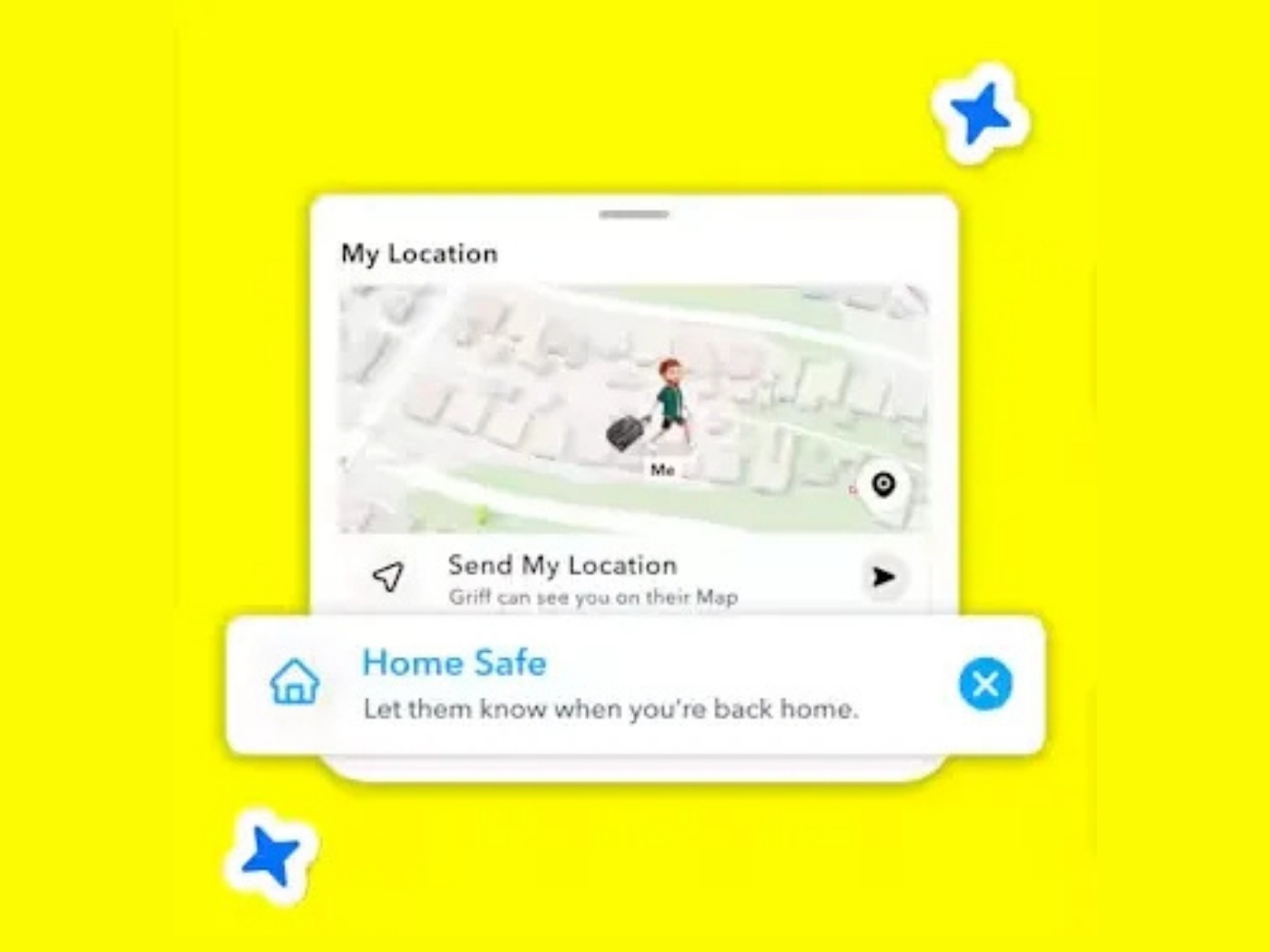
Snapchat has rolled out a new safety feature called “Home Safe” alerts, designed to enhance user security. This feature allows Snapchat users to automatically notify selected friends when they have safely arrived home. It offers an additional layer of security, particularly for those walking home late at night or feeling concerned about being followed. Users can activate this feature within their location settings and set their home location by tapping their Bitmoji. Snapchat emphasizes that this feature was developed with privacy in mind, ensuring notifications are only sent to friends with whom users already share their location. The arrival notification is a one-time alert that automatically deactivates afterward, eliminating concerns about sending constant updates. This new addition stands out as a simple yet effective safety measure aimed at providing peace of mind for both users and their friends.
Google Expands AI Search Sorting as AI Previews Impact Referral Traffic
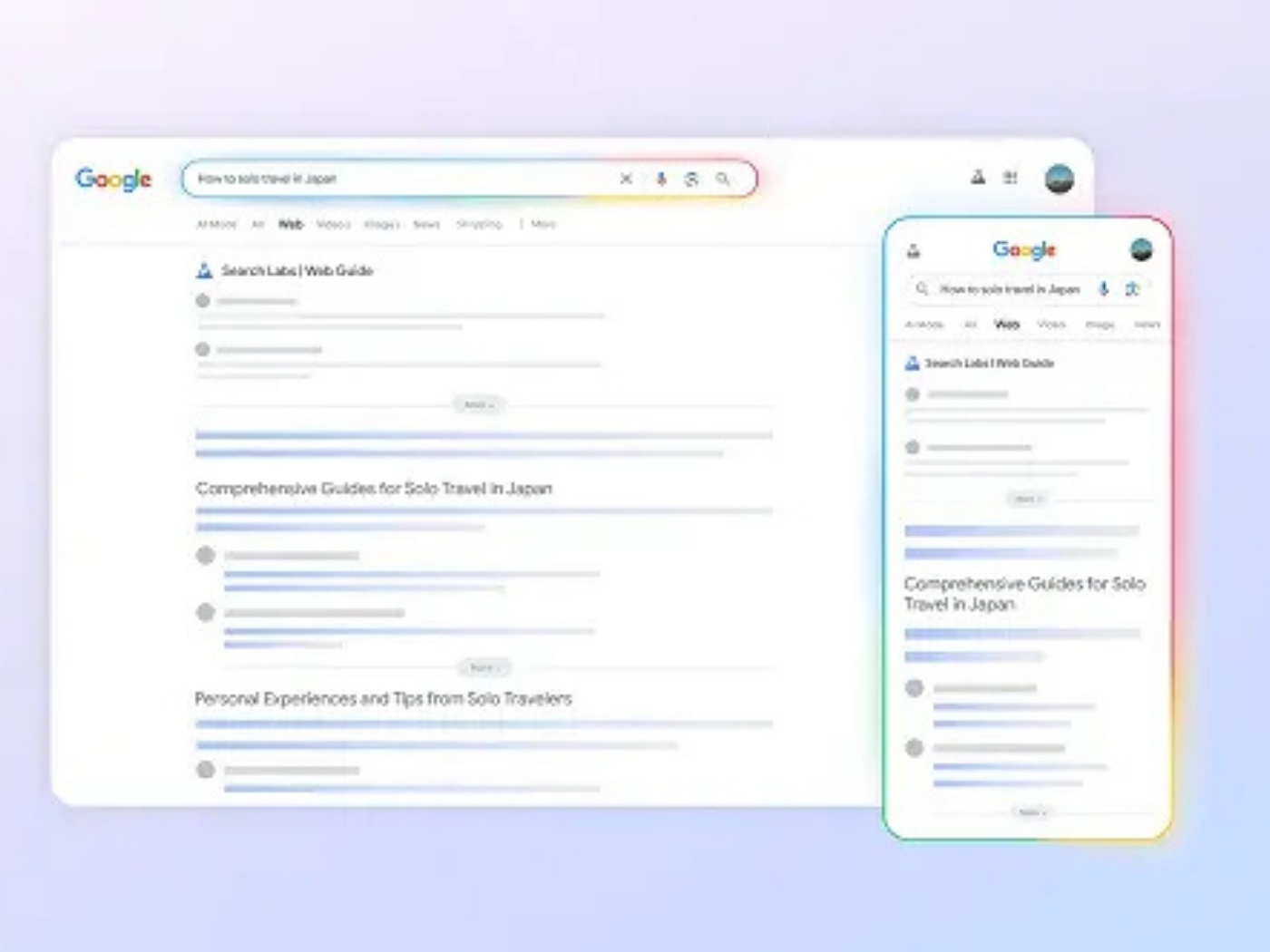
As its artificial intelligence (AI) previews continue to reduce referral traffic, Google is experimenting with another AI-based feature in Search. This new feature, called “Web Guide,” will organize search engine results pages (SERPs) by separating different angles of your query into distinct elements on the page. The aim is to provide users with a more comprehensive overview of related questions without needing to enter additional search terms, making it easier to explore various topics. According to Google, Web Guide leverages a custom version of Gemini to better understand both search queries and web content, thereby enhancing search capabilities and surfacing previously undiscovered web pages.
While this feature could be beneficial for certain searches and explorations, it also has the potential to significantly impact referral traffic to websites. A recent Pew Research report highlighted the effects of AI previews in Search, showing that users presented with an AI summary are significantly less likely to click through external links. Having information directly displayed in the SERP effectively halves the likelihood of referral traffic, which is creating a substantial impact on many websites, particularly those that have built their pages around specific search queries.
Google Adds More AI Elements to Its Product Discovery and Shopping Tools
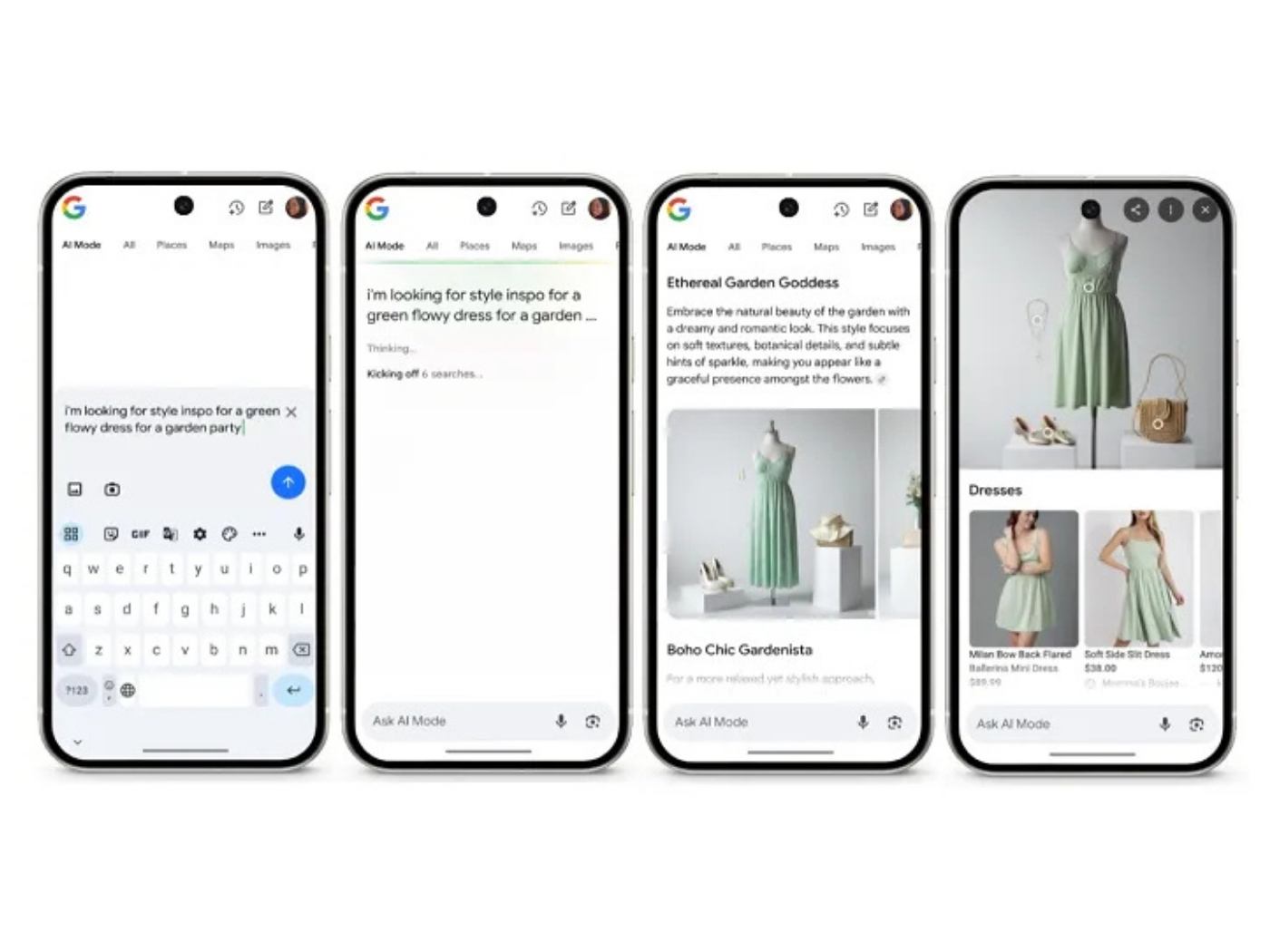
Google is enhancing its product discovery and shopping tools with new AI-powered features, aiming to transform the online shopping experience. These updates include advanced virtual try-on for certain clothing items, updated price tracking to keep tabs on sales, and text-based matching for fashion styles.
The advanced virtual try-on tool, initially previewed for Search Labs participants in May, which allows users to use their own selfie image as a model for clothing, is now rolling out to general users in the U.S. By tapping on any product listing or apparel result on Google Images and selecting the “try it on” icon, users can upload a full-length photo of themselves to instantly see how items might look on them. This feature could significantly bridge the gap between online and in-store shopping experiences.
Google is also making it easier to track relevant price drops with upgraded price alerts. Starting to roll out today in the U.S., shoppers can specify their preferred size, color, and desired price when setting a price alert for a product. Leveraging its Shopping Graph, which includes product and pricing information from across the web, Google will notify users when an offer meets their criteria.
Finally, Google is rolling out product alerts and search based on text descriptions. These updated AI-powered descriptions will help users find relevant product matches based on conversational queries, providing another way to discover the best matches for their preferences. These handy updates, particularly useful as sales season approaches, are currently being rolled out to Google Shopping users in the U.S., with further expansion planned for the future.
YouTube Adds More Generative AI Features to Shorts
YouTube is integrating more generative AI features into its short-form video platform, Shorts, to simplify and diversify content creation. These innovations incorporate Google’s latest Veo image animation and conversion tools into the Shorts creation process.
One of the main new features is the “Photo to video” tool, which can transform photos into animated videos. Users can select an image from their camera roll and, with a creative suggestion, bring their memories to life as a video. This functionality aligns with a trending use case seen across several AI tools.
Additionally, YouTube is adding options to animate drawings or convert still images into alternative settings. This allows users to easily bring sketches and doodles to life with minimal effort.
YouTube is also launching “AI Playground,” a space for testing and experimenting with various new AI experiences. This area includes the latest generative AI creation tools, a gallery of inspirational examples, and pre-filled prompts. AI Playground is currently available to users in the U.S., Canada, Australia, and New Zealand.
All of these image-to-video and generative effects are currently powered by Veo 2 but will soon be upgraded to Veo 3, making them even more responsive. YouTube also noted that all its generative AI features will utilize SynthID watermarks and will be clearly labeled to indicate they were AI-generated. These new features will roll out in select regions over the next week and will be accessible in the “Effects” section of the Shorts camera.
Shorter Video Ads on Facebook Get More Replays via Looping
On Facebook, video ads that are 30 seconds or less in duration can achieve more automatic replays (loops) under certain conditions. According to Meta, such ads loop for approximately 90 seconds. This implies that the shorter the ad, the more times it will repeat within that same 90-second timeframe. For instance, a 16-second video ad might loop 6 times over 96 seconds, whereas a 30-second ad loops 3 times within the same duration.
This feature is contingent on the viewer not skipping or scrolling past the ad. In some scenarios, shorter ads could offer branding benefits by repeating the brand message more frequently within the 90-second window. However, this could also lead to an “annoyance factor” depending on the ad’s specifics. Meta notes that in some cases, the number of loops might dynamically adjust to achieve better ad results, potentially lasting less than 90 seconds or up to 180 seconds. Conversely, videos longer than 30 seconds do not loop on Facebook; a thumbnail with a play button appears after the video ends. On Instagram, however, videos of all lengths loop continuously as long as they are on screen. This presents a minor but interesting detail for Facebook ad strategy considerations.
Instagram Tests Auto Scroll Option for Posts
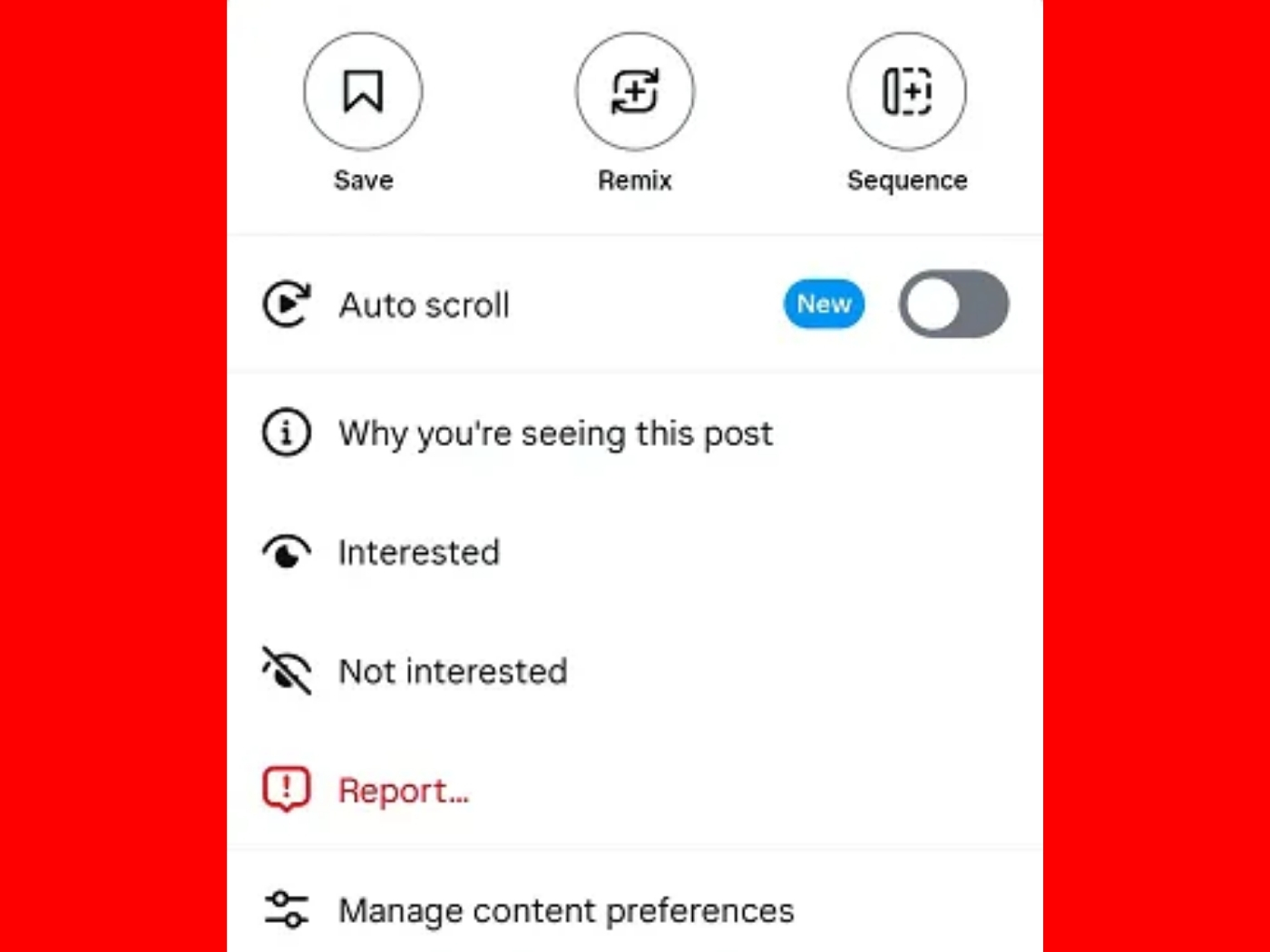
Instagram is currently testing a new auto-scroll option with a subset of its users for posts in their main feed. This feature aims to simplify content consumption by automatically advancing through posts without requiring manual swiping. While auto-scrolling is already available for Reels, this new test focuses on the primary Instagram feed.
The feature could prove useful in situations where users cannot manually interact with the screen, such as at a dentist’s appointment, or if the algorithm is exceptionally well-tuned to their interests. However, given that “mindless scrolling” is already a recognized concern, there are worries that “even more mindless and motionless scrolling” could exacerbate the issue of increased screen time. Similar auto-scrolling options exist and are popular on platforms like TikTok and YouTube, indicating Instagram’s move to follow this trend. Yet, whether this is a necessary or beneficial step remains a subject of debate. The feature is expected to roll out to all users soon.
Instagram Tests Like Counts For Individual Frames in a Carousel
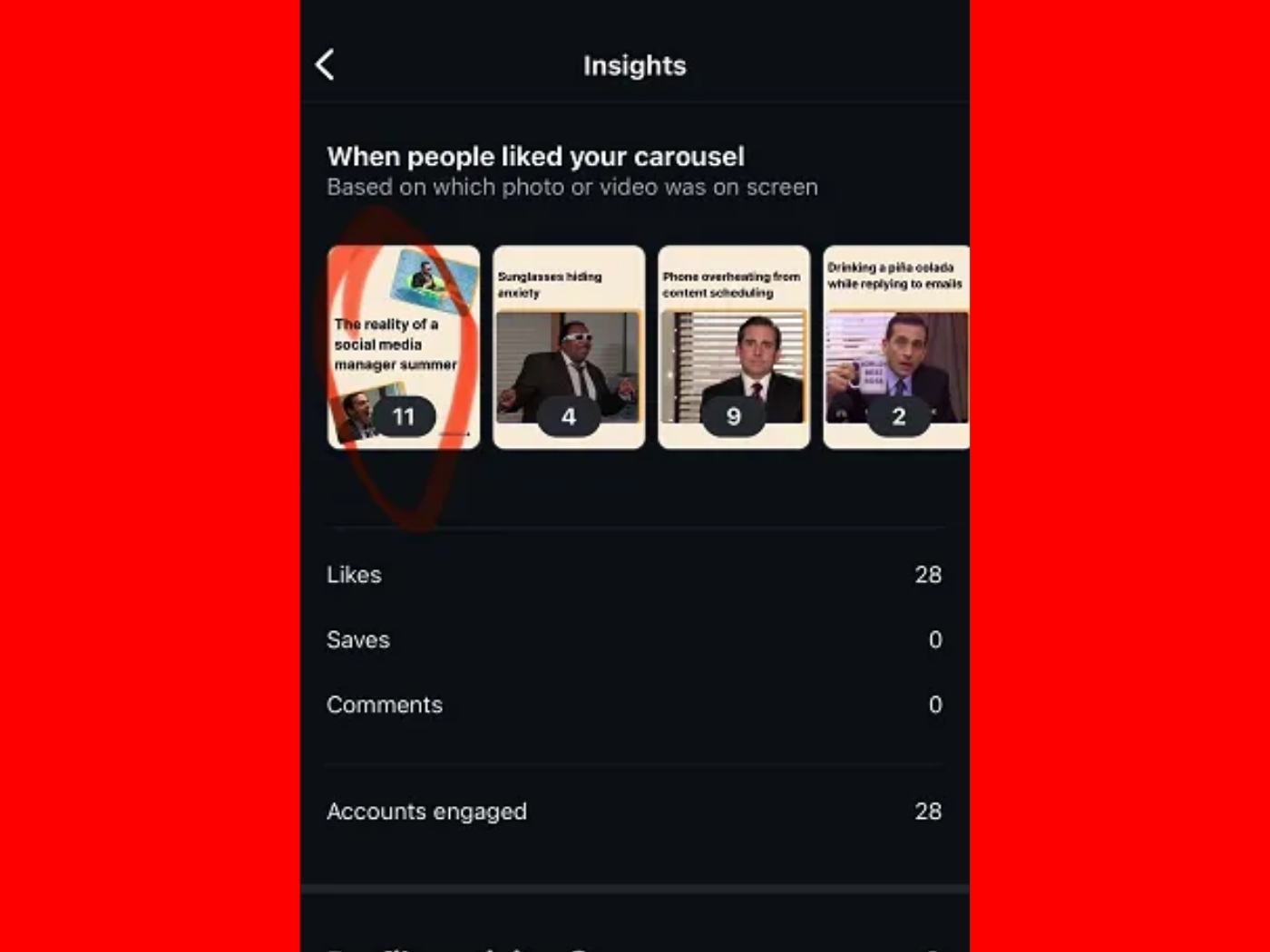
Instagram is testing a new addition to its post analytics that would display like counts for each individual frame within a carousel post. As reported by Lindsey Gamble, this new feature attributes likes to the specific frame that was on screen when the like was applied, potentially offering more insight into which part of your content resonates most with your audience.
As seen in the example shared by Adina Jipa, a counter on each image theoretically provides an indicator of that specific frame’s popularity. While this isn’t an exact science (a like might be given for the entire collection), a significantly higher like count on a single image within a carousel would likely indicate that particular frame is more popular and engaging. For instance, a high like count on the first frame might simply be a generic like, but elevated numbers on subsequent frames could offer more meaningful data to inform your content approach.
Instagram itself noted last October that carousel posts can help increase your reach within the app. According to IG chief Adam Mosseri, this is due to two main reasons: multiple media pieces lead to more interactions, resulting in greater reach, and if a user sees a carousel post but doesn’t swipe, Instagram often gives it a second chance by automatically moving to the next piece of media. This new insight into frame-specific popularity, combined with the inherent benefits of carousel posts, could further help optimize your Instagram content performance.
X Plans To Launch AI Text-To-Video Option, New AI Companions
X (formerly Twitter) has announced significant artificial intelligence (AI) innovations in content creation and virtual companionship. The platform is set to integrate Hotshot, its text-to-video tool acquired in March, into a new feature called “Imagine.” Elon Musk stated that “Imagine” will enable users to “make creative viral videos fast” by combining Hotshot’s functionality with xAI’s Grok engine, offering users their own text-based video generation tool. This move will provide X with capabilities similar to Google’s Veo model, which has already sparked numerous viral trends. While Musk anticipates new avenues for users to visualize their ideas, concerns about potential misuse are also being raised.
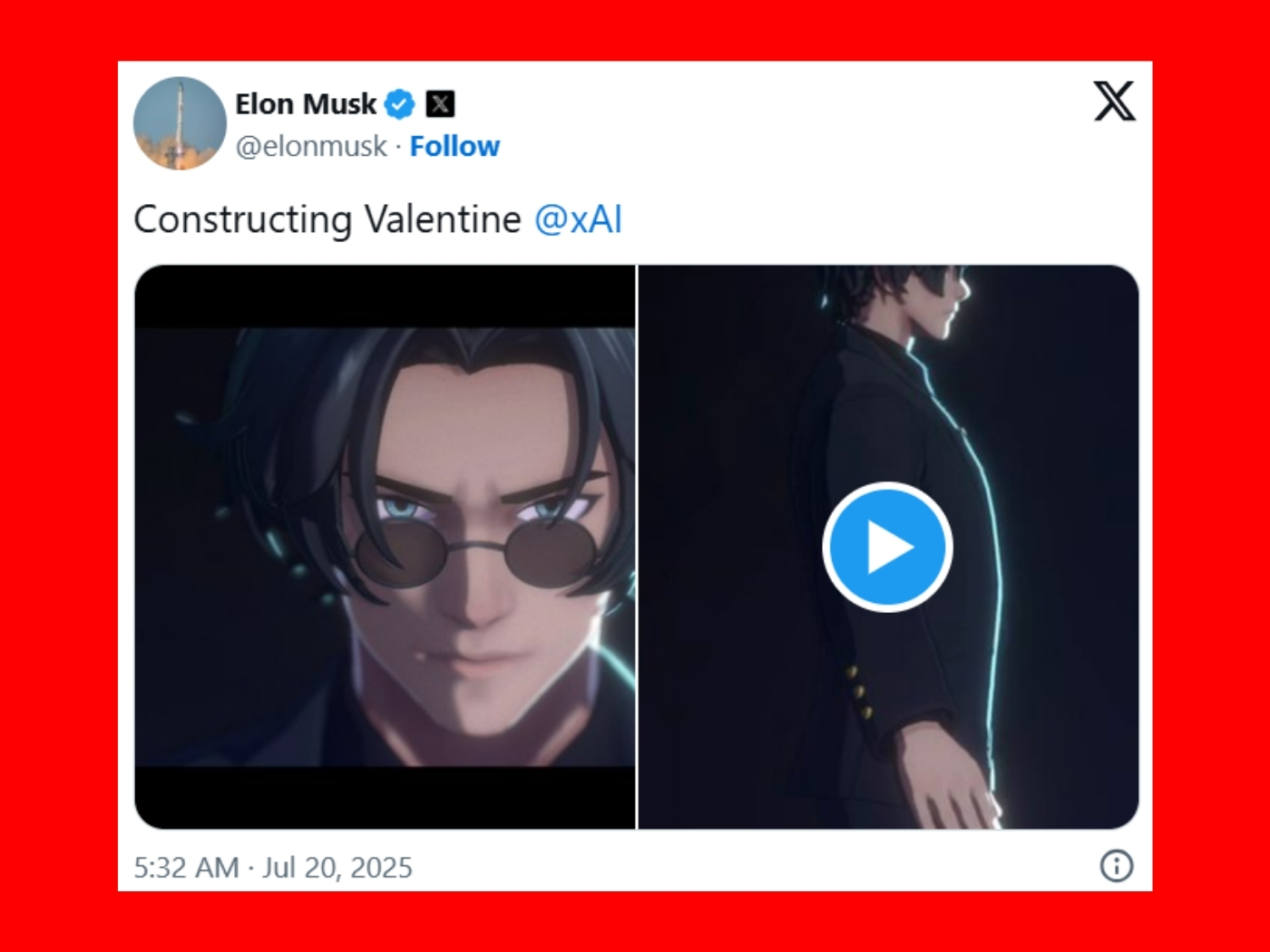
In addition to this, X is expanding its virtual companionship offerings by introducing “Valentine,” a new male AI companion. Following its existing Anime-inspired “Ani” and a mischievous red panda named “Rudy,” X’s latest character is described by Elon Musk as a “combination of Edward Cullen from Twilight and Christian Grey from 50 Shades.” Valentine is designed to offer companionship and even engage in NSFW (not safe for work) interactions, which is raising discussions in some circles about potential ethical issues and the boundaries of virtual relationships. X clearly believes this is a valuable market and intends to introduce more companion types in the future.
LinkedIn Updates on Feed Algorithm, Hashtag Usage, and AI Functions
LinkedIn has provided updates on three significant aspects: recent changes to its feed algorithm, guidance on hashtag usage, and the future of its Artificial Intelligence (AI) functionalities.
Firstly, the platform announced that it has rolled back a recent algorithm change that resulted in users seeing a significant number of older posts in their feeds. While LinkedIn stated this test aimed to “strike the right balance between prioritizing relevant content vs. recent content,” it confirmed that the dramatic shift was temporary and feeds would return to normal after user complaints.
Secondly, regarding hashtag usage, LinkedIn indicated that its text detection and matching models have improved, allowing them to better understand post content. This suggests that the reliance on hashtags may be less critical than before. Product chief Rishi Jobanputra mentioned that while hashtags can still be useful for users searching for specific trends, LinkedIn’s automatic recognition capabilities are largely sufficient. It was even noted that LinkedIn is considering deprecating hashtag-based feeds due to low user adoption.
Lastly, LinkedIn CEO Ryan Roslansky touched upon future AI plans. He revealed that LinkedIn is exploring new AI tools, such as a voice-enabled AI interviewer to assist with resume crafting and an AI coaching tool for CEOs, designed to challenge them with tough questions before interviews. However, Roslansky also admitted that LinkedIn’s current AI-powered posting feature has not been a hit. He emphasized that users value the authenticity of their “professional identity” and that AI-generated content often “gets called out” on the platform, suggesting LinkedIn hopes to avoid an influx of AI-generated “slop.”

Instagram Promotes DM Translation and Scheduling Features for Business Users
Instagram has broadened access to its Direct Message (DM) translation and scheduling tools, now actively promoting them as enhanced engagement opportunities for business users. While these features are not entirely new, having been in development and rolled out to some users previously, Instagram is now highlighting their utility for professional outreach.
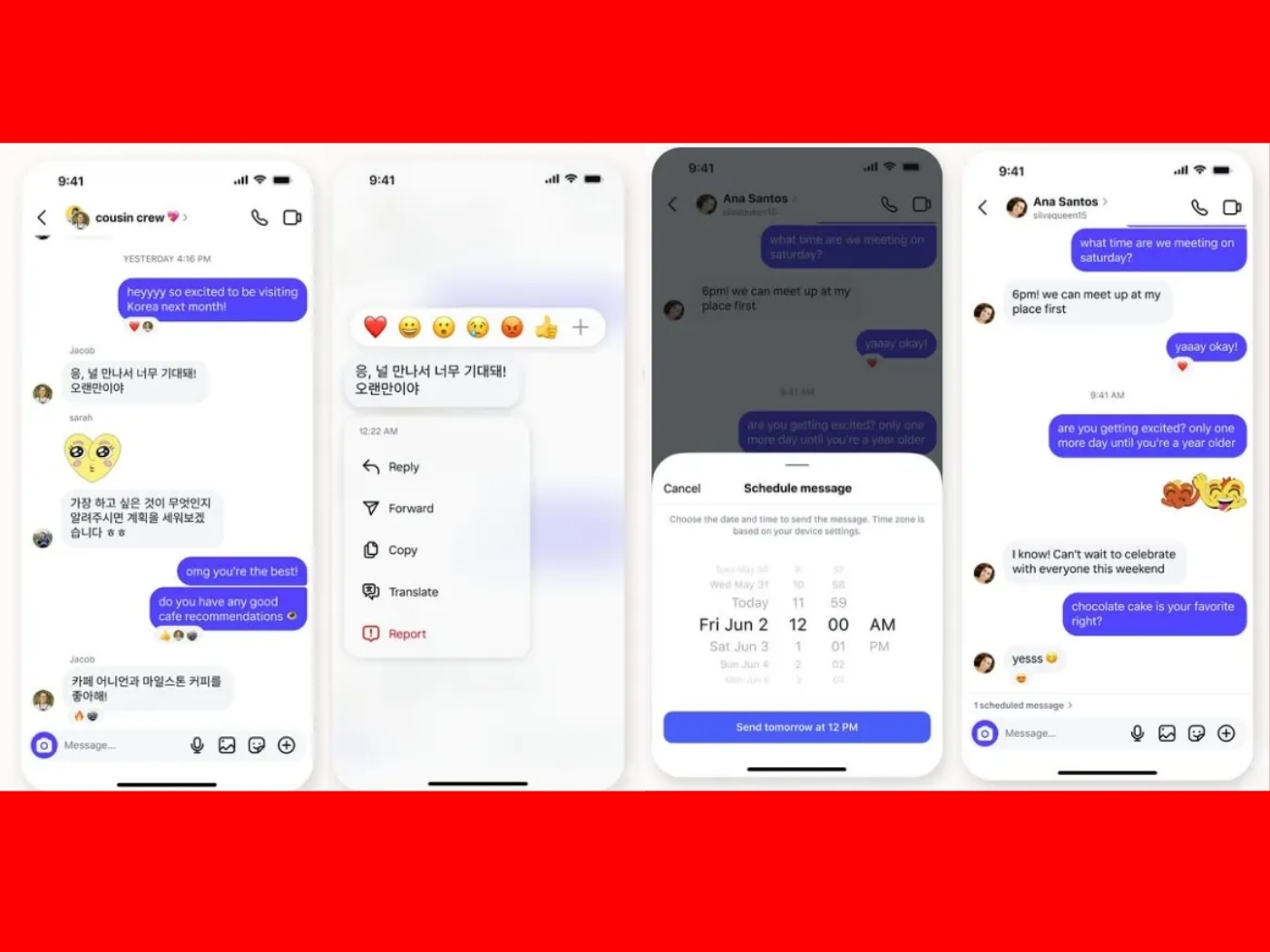
The DM translation feature allows businesses to translate their DMs into 99 different languages. This is done by holding down on a specific message and selecting “Translate,” which then displays the translated text below the original. Users can also set a language preference for automatic translation of incoming DMs into their native language. This functionality is expected to significantly improve cross-border communication, opening up new global opportunities for businesses.
Secondly, Instagram is providing more business users with access to scheduled DMs. This enables businesses to compose messages and schedule them to be sent at an optimal time, considering the recipient’s local time zone. To schedule a DM, users type their message, then press and hold the “Send” button to select the desired date and time for delivery. While immediate responses are often preferred, this tool can be beneficial for specific use cases, such as sending announcements at a particular time or accommodating different time zones, thereby helping businesses connect more strategically with their audience. Instagram is positioning these features as valuable communication assets for its business community.
Research Shows That Snapchat Delivers Better Results for E-Commerce Brands
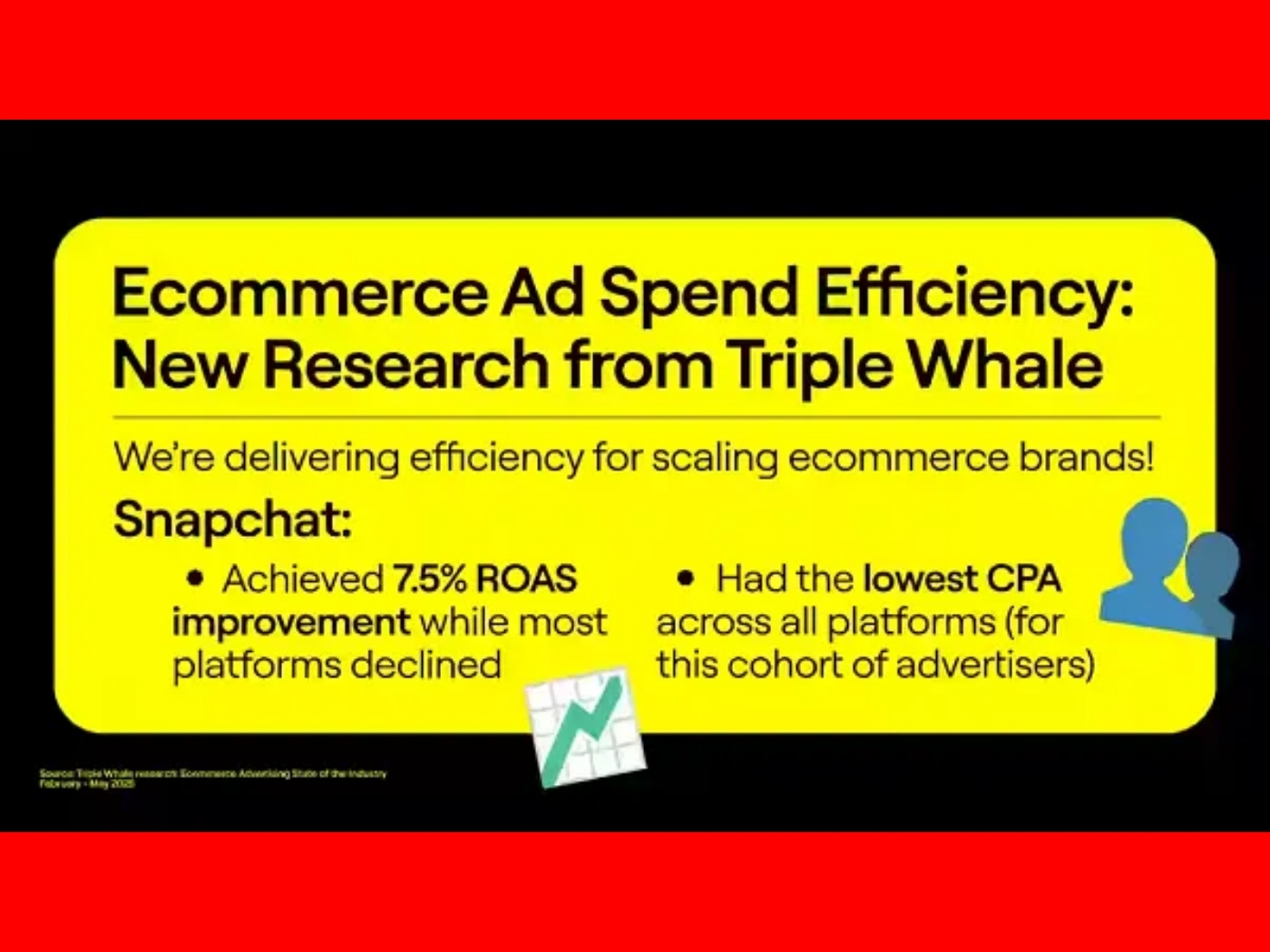
Snapchat has released new data highlighting the performance of e-commerce brands on its app. A recent study commissioned by Snapchat and conducted by Triple Whale, which analyzed $3 billion in cumulative ad spend from 20,000 e-commerce advertisers, revealed significant advantages for online retailers using Snapchat ads. The research indicated that despite being a smaller platform by spend share, Snapchat achieved a 7.5% improvement in Return on Ad Spend (ROAS) while most other platforms experienced declines. Furthermore, Snapchat was found to have the lowest Cost Per Acquisition (CPA) across all platforms included in the study.
The data also showed that apparel advertisers specifically saw the highest ROAS across platforms, with visual storytelling being a key driver of Snapchat engagement. Expanded Snap data further indicated that 77% of Snapchatters agree that visual search helps find apparel items faster and easier (compared to only 50% of non-Snapchatters), and over 80% of Snapchatters state that social media is their primary way to keep up with the latest fashion trends. These findings underscore the importance of considering Snapchat promotions in the marketing mix for e-commerce, particularly for fashion brands targeting younger audiences.
TikTok Adds New Features To Highlight Songwriters
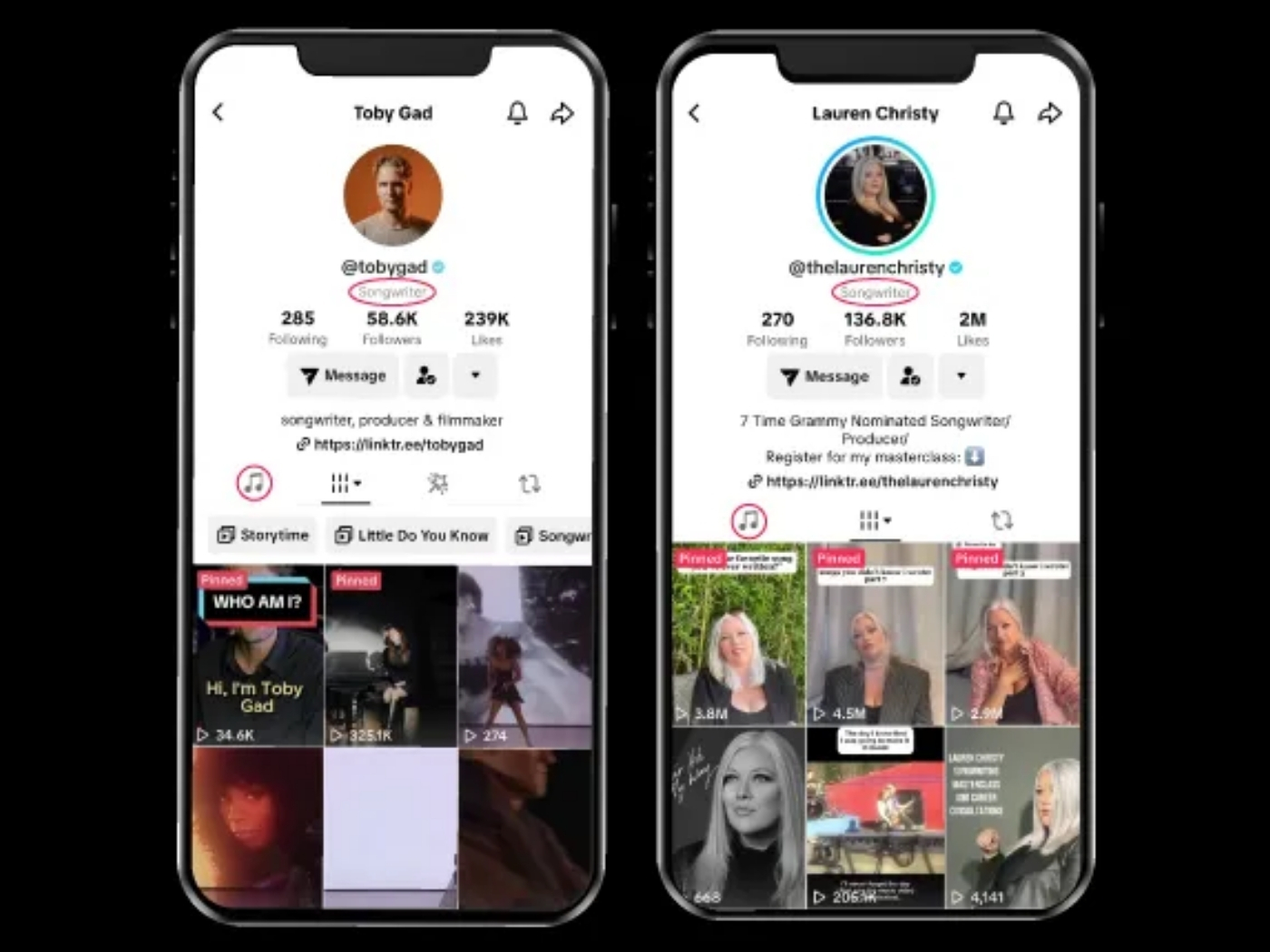
TikTok has introduced new features aimed at giving more prominence to songwriters and their musical contributions, further expanding its music-related offerings. Songwriters will now receive direct accreditation within the app, and users will be able to discover songs they’ve created in a separate profile tab. This initiative seeks to help songwriters build their own fan base, beyond just the performers of their songs.
TikTok stated that these new features were developed in response to feedback from songwriters, with the goal of improving discovery, expanding monetization opportunities, and raising their profile on the platform. TikTok has become a pivotal platform for music discovery, with a recent report indicating that 84% of songs that reached the Billboard 200 list in 2024 first gained traction in the app. U.S. TikTok users are also 74% more likely to discover and share music within the app, demonstrating the increasing reliance of the record industry on TikTok trends for driving discovery and reach. These new additions are seen as a significant step to incentivize more creators to engage with the TikTok ecosystem and leverage the app for promotion and connection.
Meta’s Video Editing App Edits Gets New Updates: Improved Music Discovery and Keyframe Editing
Meta’s video editing app, Edits, has received three new features aimed at helping creators customize and maximize their video content.
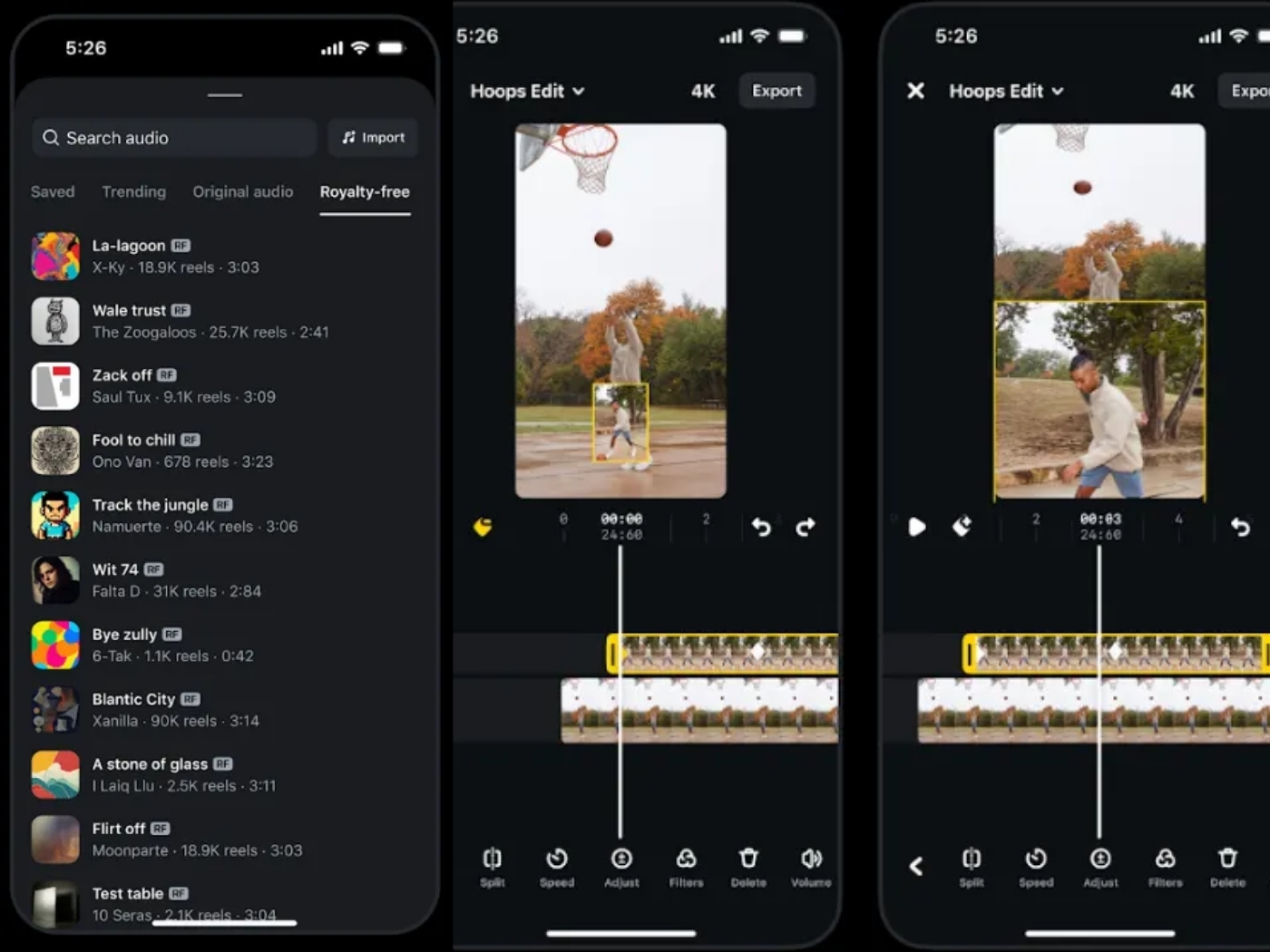
Firstly, Edits is introducing a new royalty-free music discovery option, making it easier for users to find music they can use without jeopardizing monetization. A new “Royalty free” tab has been added to the existing music discovery element within the app, allowing creators to select from a list of tracks that do not require licensing. This feature will be a significant advantage for creators who wish to promote their posts without commercial music.
Secondly, Edits is adding a new keyframe editing feature for more precise adjustments. The updated display for keyframe editing will simplify the precise application of stickers, text, and cutouts, offering more creative options during the editing process. Keyframe editing was initially added last month, providing more granular control over specific elements in video playback. The updated keyframe editing options are currently rolling out exclusively on iOS.
Finally, Edits is gaining an additional 10 new voice effects. These new options enable users to alter their voice to sound like a ghost, a robot, and more, providing greater creative versatility for their video clips.
Meta’s consistent weekly feature updates for the Edits app indicate that the company is delivering on its launch promises. Given that video content is the top-performing content type across both Facebook and Instagram, it’s a logical move for Meta to encourage more video posting. Edits, with its expanding array of creative options, is poised to play a crucial role in helping more people create interesting and engaging video content. These updates are available in the latest version of the Edits app.
X Plans To Add Branding Markers to Screenshots of Posts
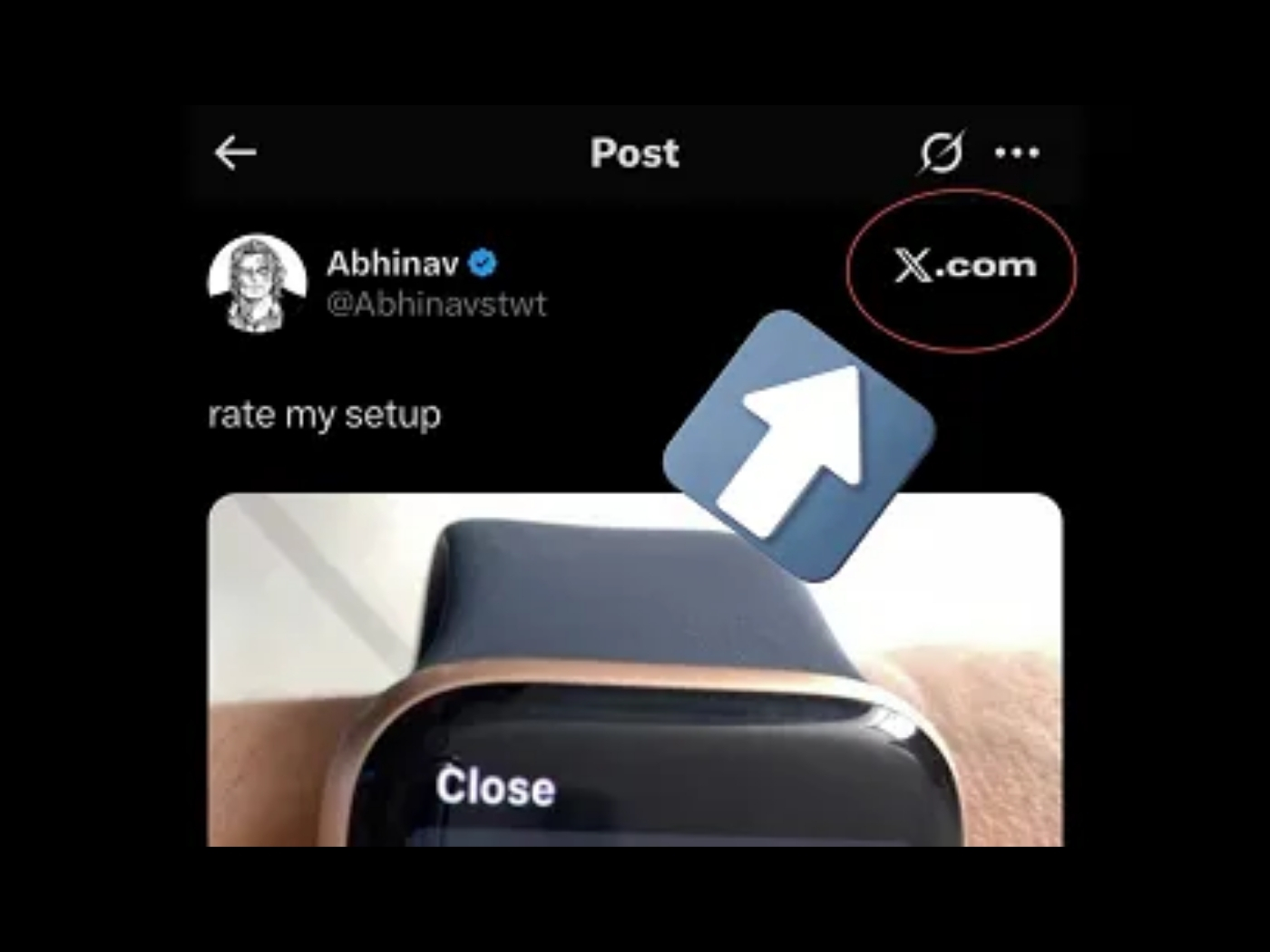
X (formerly Twitter) is reportedly testing the addition of “X.com” watermarks to screenshots of posts taken on its iOS app. This move aims to expand the X brand’s visibility, as many X posts are re-shared on other platforms and gain significant traction without directing traffic back to X itself. These watermarks, to be embedded in screenshots, are intended to promote X as the source of various viral updates.
A 2015 chart published by Twitter indicated that tweets often reached double its registered audience through logged-out usage, highlighting the potential for shared screenshots to drive brand awareness. While Elon Musk’s rebranding of Twitter to X, aligning with his “everything app” vision, has sparked debate, these new branding markers could be a crucial step in boosting X’s global visibility. Although there’s no official release date, X appears to be in the late stages of developing this screenshot branding option.
TikTok Continues To Face Challenges With Its In-Stream Shopping Push
TikTok’s ambition to become a global e-commerce powerhouse is facing new hurdles, as the platform’s in-stream shopping options are struggling to gain significant traction, even in Indonesia where TikTok had seen higher levels of shopping success. Despite acquiring local online retail provider Tokopedia for $840 million last year to comply with local regulations, TikTok’s expectations have reportedly not been met.
According to a Rest of World report, TikTok’s push for Tokopedia sellers to create more dynamic, TikTok-like content, rather than their usual static product shots, has caused friction. Sellers have also reported decreased site visits, higher fees, and increased ad costs, prompting many to switch to alternative commerce platforms. This situation appears to have set back TikTok’s online shopping presence in Indonesia.
In Western regions, TikTok’s shopping initiative has not achieved the same success, as consumers generally prefer to keep their shopping activities separate from their social and entertainment apps. This contrasts with Chinese digital consumers, who favor consolidating multiple functionalities into a single app, a model that has propelled platforms like WeChat and Douyin to massive success in the Chinese market.
While global TikTok shopping is growing, it’s at a slower pace than desired: last month’s reports indicate an expansion into over 750 categories with more than 70 million products, and a 120% increase in TikTok Shop sales in the U.S. compared to the same period last year. However, this growth pales in comparison to Douyin, the Chinese version of the app, which generated an estimated $490 billion in gross merchandise value (GMV) in 2024 alone, versus TikTok’s reported $33 billion GMV across all other markets. These figures highlight both the immense potential and the significant challenges TikTok faces in replicating its Chinese shopping success globally. Despite the pushback, TikTok is likely to continue its focus on in-stream shopping, aiming to unlock similar potential in more regions.
YouTube Expands “Hype” Creator Support Program, Adds Summer-Themed Stickers
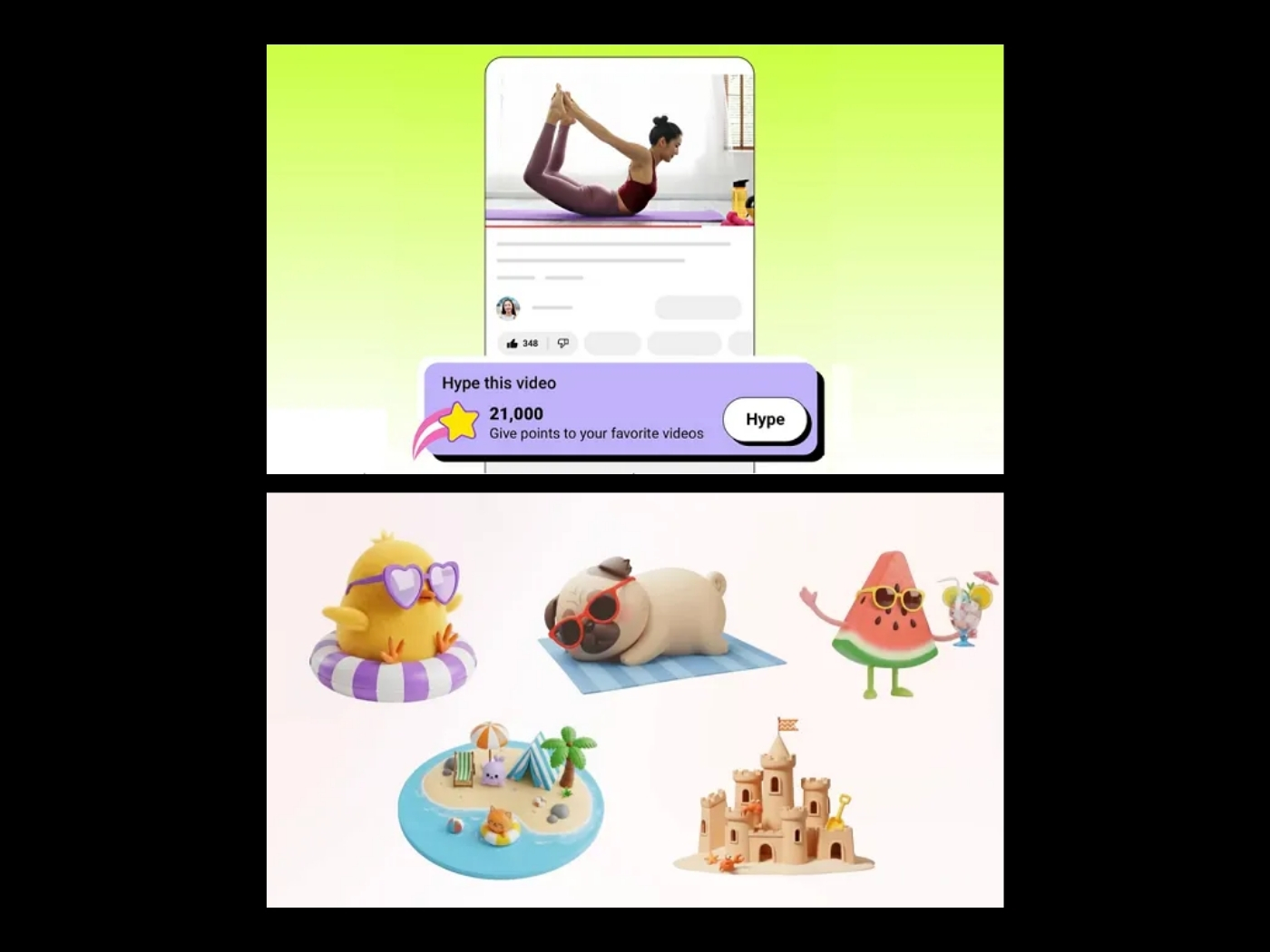
YouTube is expanding access to its “Hype” creator support feature, designed to help emerging channels gain more reach. This system allows viewers to allocate “Hype points” to videos from newer creators, essentially upvoting clips to boost their visibility. Hype aims to level the playing field for smaller creators by automatically applying bonus points based on subscriber count. Following beta tests in Brazil, Taiwan, and Turkey, the program is now expanding to 19 more markets, including India, Indonesia, Mexico, and select EU countries. The Hype option is available for public long-form videos uploaded within the last 7 days, and viewers can allocate Hype points at no cost up to three times per week.
In addition, YouTube is rolling out new, animated, summer-themed gifts that viewers can send to creators during live streams. These limited-time gifts include a duckling, island, nap, sand castle, and watermelon. Currently available only to creators and viewers in the U.S., these gifts are intended to make live streams more engaging and provide additional monetization opportunities for creators.
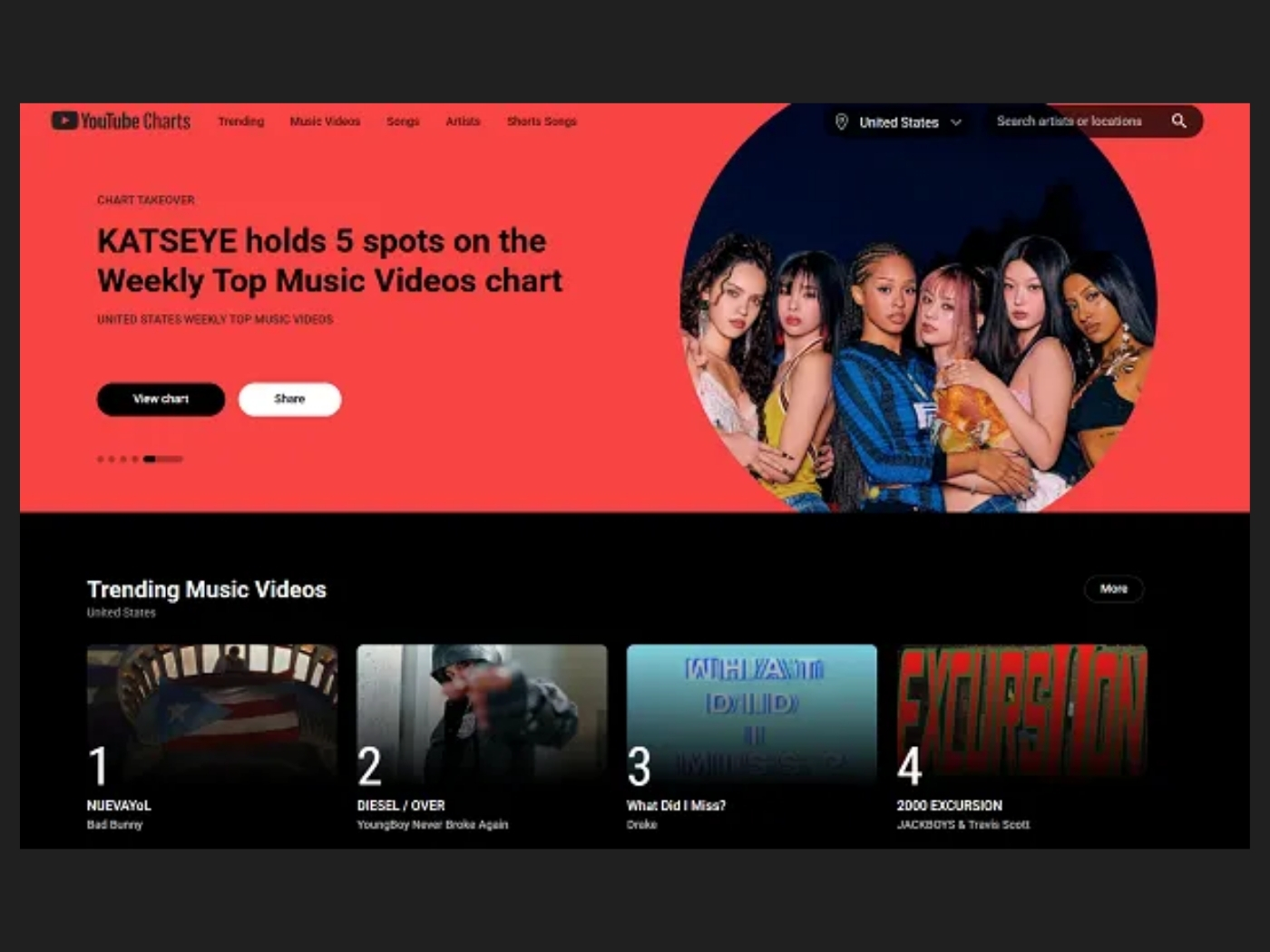
Finally, YouTube is implementing significant changes to its “Trending” page. The “Trending” and “Trending Now” listings, launched ten years ago, are being removed. YouTube’s decision stems from a shift in how content trends—moving from singular viral videos to micro-trends and diverse fandoms. Instead, YouTube will now focus on category-specific listings via its “Charts” page. Currently, charts are available for trending music videos, weekly top podcast shows, and trending movie trailers, with more content categories to be added over time. YouTube states that it will invest in more impactful ways for creators to be discovered, such as through Hype and a dedicated listing for “Creators on the Rise.” Creators can utilize the “Inspiration” tab in YouTube Studio to better understand relevant trends for their channels and audiences.
Facebook Adds Music for Text Posts
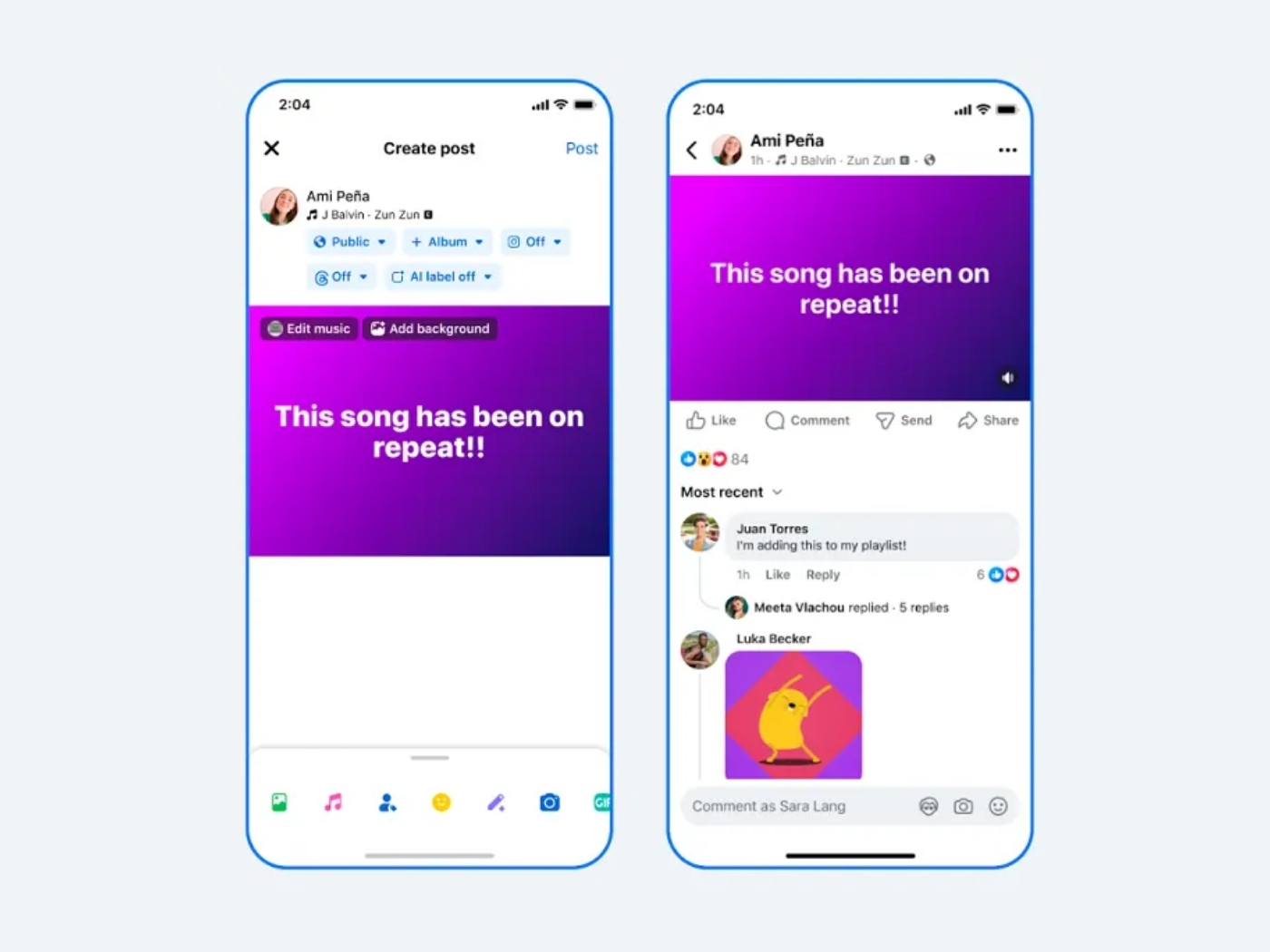
Facebook has rolled out a new music sharing option, enabling users to add music tracks and new themed backgrounds from selected artists to their text posts. With this feature, your Facebook connections can instantly listen to the accompanying song directly within the feed as they view your post.
Facebook states that music has always been a unifying element, and the platform’s core purpose has been to showcase user interests and connect friends. The aim of this new feature is to provide more ways for users to express themselves and create fun, engaging content. For users with audio settings enabled, the music in these posts will play automatically.
This move is reminiscent of MySpace’s past profile music feature and is part of Facebook’s ongoing attempts to better integrate music into the user experience. While previous efforts, such as profile songs and music in comments, were often short-lived, Facebook seems determined to find more effective ways to embed songs directly into its platform, especially given music’s significant role in engagement on other apps. Facebook also plans to improve its recommendations to feature more musicians and provide more relevant music suggestions for these posts. While it remains to be seen if this new feature will gain significant traction, it represents another experiment in Facebook’s continuous effort to enhance user engagement through music.
Facebook Moves To Restrict the Reach of Unoriginal Content
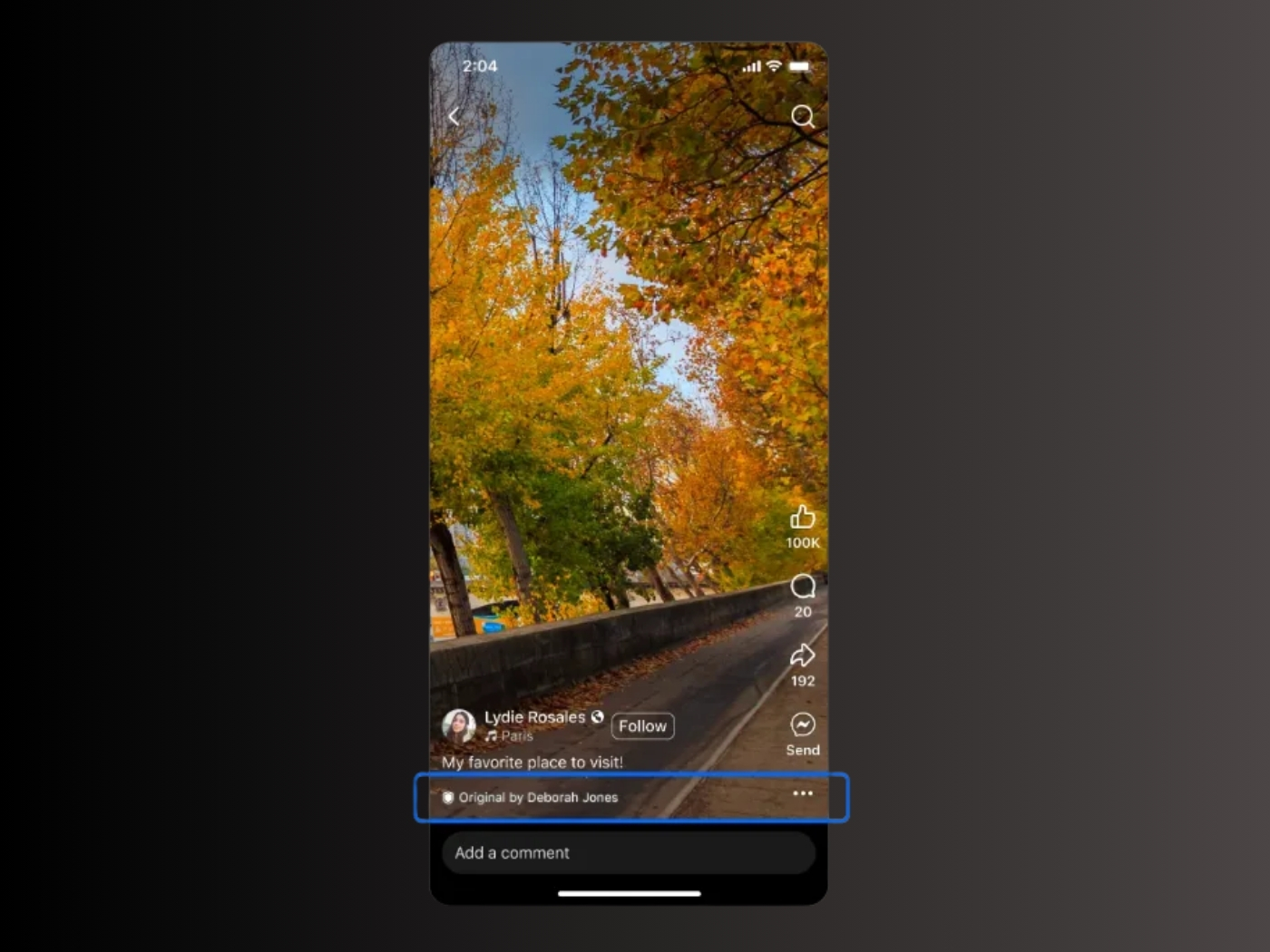
Facebook has announced a new algorithm update aimed at demoting “unoriginal” content to boost material from original creators. This initiative seeks to incentivize creators by ensuring they receive full credit and engagement for their work, preventing loss to those who repurpose their ideas without permission.
According to Facebook, “unoriginal content” involves repeatedly reusing or repurposing another creator’s material without crediting them or adding meaningful enhancements. Content that includes added commentary, reaction videos, or a unique take on a trend is acceptable. However, material that replicates another creator’s content word-for-word or frame-for-frame will be penalized.
Accounts found to be consistently misusing others’ videos, photos, or text posts will face consequences, including losing access to Facebook monetization programs and seeing reduced distribution for all their shared content. Furthermore, if Facebook’s systems detect duplicate videos, the distribution of copies will be reduced to ensure original creators get the visibility they deserve. Facebook is also exploring ways to provide proper attribution, such as testing links on duplicate videos that direct viewers to the original content.
This update mirrors a similar algorithm change on YouTube, which has increased its enforcement against “mass-produced and unoriginal” content, including AI-generated replicas. The broader focus of this new push appears to be disincentivizing copycats from ripping off creators’ work and building scam profiles by stealing engagement. This move also aligns with Meta’s broader strategy to amplify original content; last year, Instagram removed aggregator accounts from recommendations and has since prioritized original content where possible. Ideally, these new algorithmic measures will ensure that credit and attention go to the rightful accounts, helping original creators better monetize their work.
YouTube Adds Video Title Testing Option in Studio
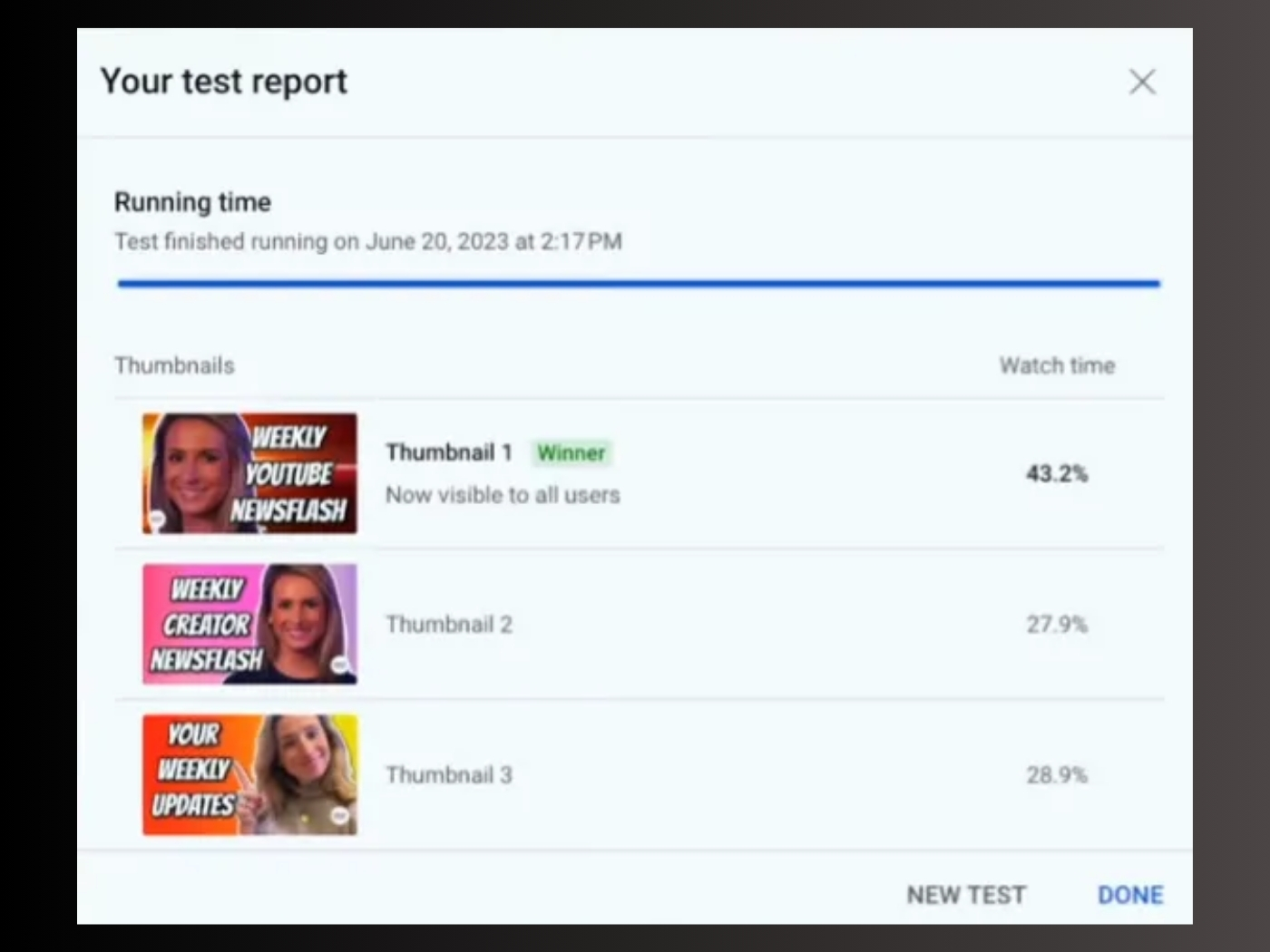
YouTube is rolling out a new feature to help creators optimize their video performance: the ability to test video titles within the “Test and Compare” tool in YouTube Studio. This comes as the next phase of its thumbnail A/B testing rollout, which was initially available to a small percentage of creators and is now expanding to include titles.
This new functionality will allow creators to experiment with different title variations before full publication, helping them determine which titles are most engaging and attention-grabbing for their video uploads. YouTube will display various combinations of titles and thumbnails to viewers and automatically select the best-performing combination based on watch time share. This is a valuable addition, providing creators with more data-backed feedback on optimal content approaches to maximize the impact of their videos. The thumbnail A/B testing feature was first announced in June 2023 and initially tested with selected creators last year. The addition of title testing provides a more comprehensive toolset for content optimization on YouTube.
TikTok Adds In-App Post Scheduling Option in Composer
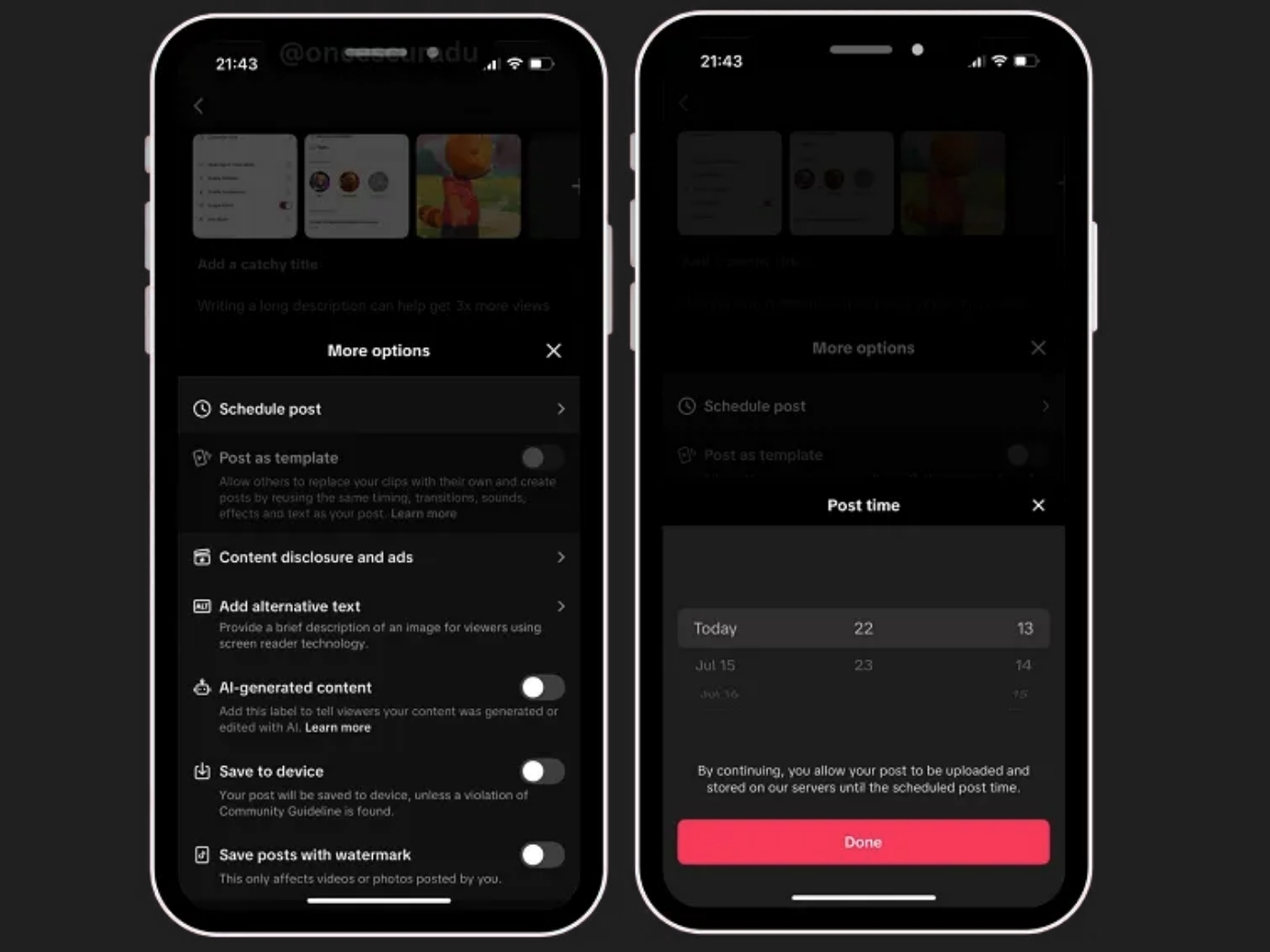
TikTok has introduced a new in-app post scheduling option directly within its post composer, making it even easier for creators to plan and manage their content. This new feature allows users to set a specific date and time for their videos to be published without having to leave the app.
While TikTok already provided several scheduling options through its TikTok Studio management tool and its web-based video scheduler, this new in-app integration offers significant convenience, especially for creators who primarily work from their mobile devices. Now, creators can prepare their posts and directly choose a future date and time for automatic publication.
This update empowers creators to optimize their reach and engagement by scheduling posts to go live when their audience is most active. Although TikTok’s algorithm plays a role in delivering content to active users, the scheduling option gives creators greater control over their publishing strategy. Creators can leverage insights from TikTok Studio analytics to identify peak audience activity times and combine this data with the new in-app scheduling feature to enhance their content strategy. This represents a small but potentially valuable update for TikTok creators.
Clarification on Instagram Posts Being Indexed by Google
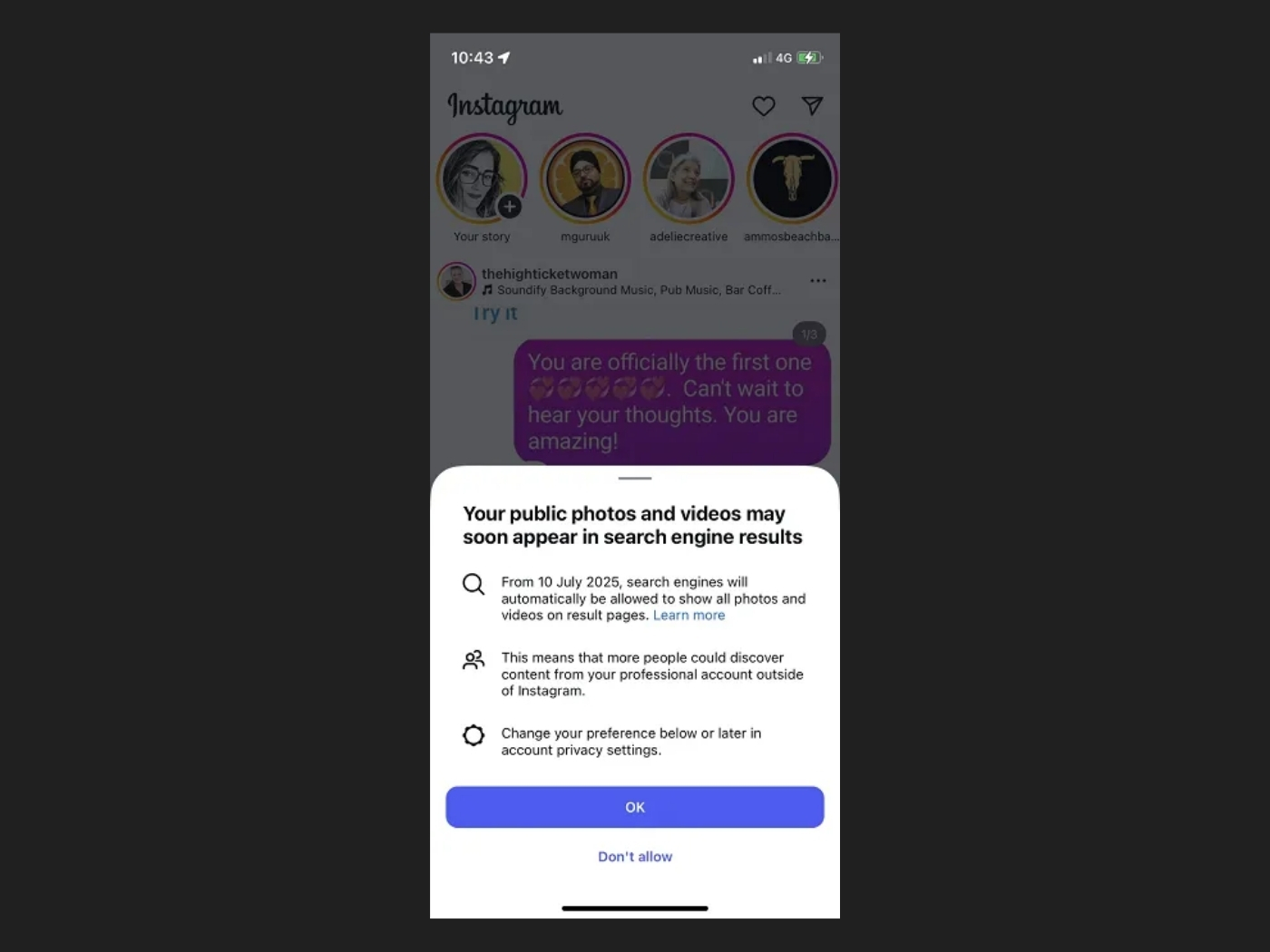
Recently, a notification regarding Instagram content being indexed by search engines sparked widespread discussion within social media communities, with some believing it signaled a significant shift in how Instagram content would be discovered. However, for most regions, this is largely a clarification rather than a new development.
According to Instagram’s Help Center documentation, the platform generally requests that search engines like Google and Microsoft Bing do not index users’ photos and videos from Stories, Reels, posts, and Highlights. However, Instagram does permit search engines to index photos and videos from public Reels and posts uploaded on or after January 1, 2020, from accounts that meet certain criteria (such as the account holder being over 18).
Instagram has confirmed that this functionality is being rolled out gradually worldwide. Nevertheless, for the majority of regions, this has been the established norm for several years. The underlying intention is to provide greater exposure for creators and businesses. Therefore, unless you have specifically received this notification in your own Instagram feed, it’s likely not a new change for you. If you did receive the notification, then yes, for your account, this indexing is a new development by Google. But for most regions, all public posts have been indexable for quite some time. Hopefully, this clarifies any confusion.
Instagram Trial Reels Now Available to More Creators
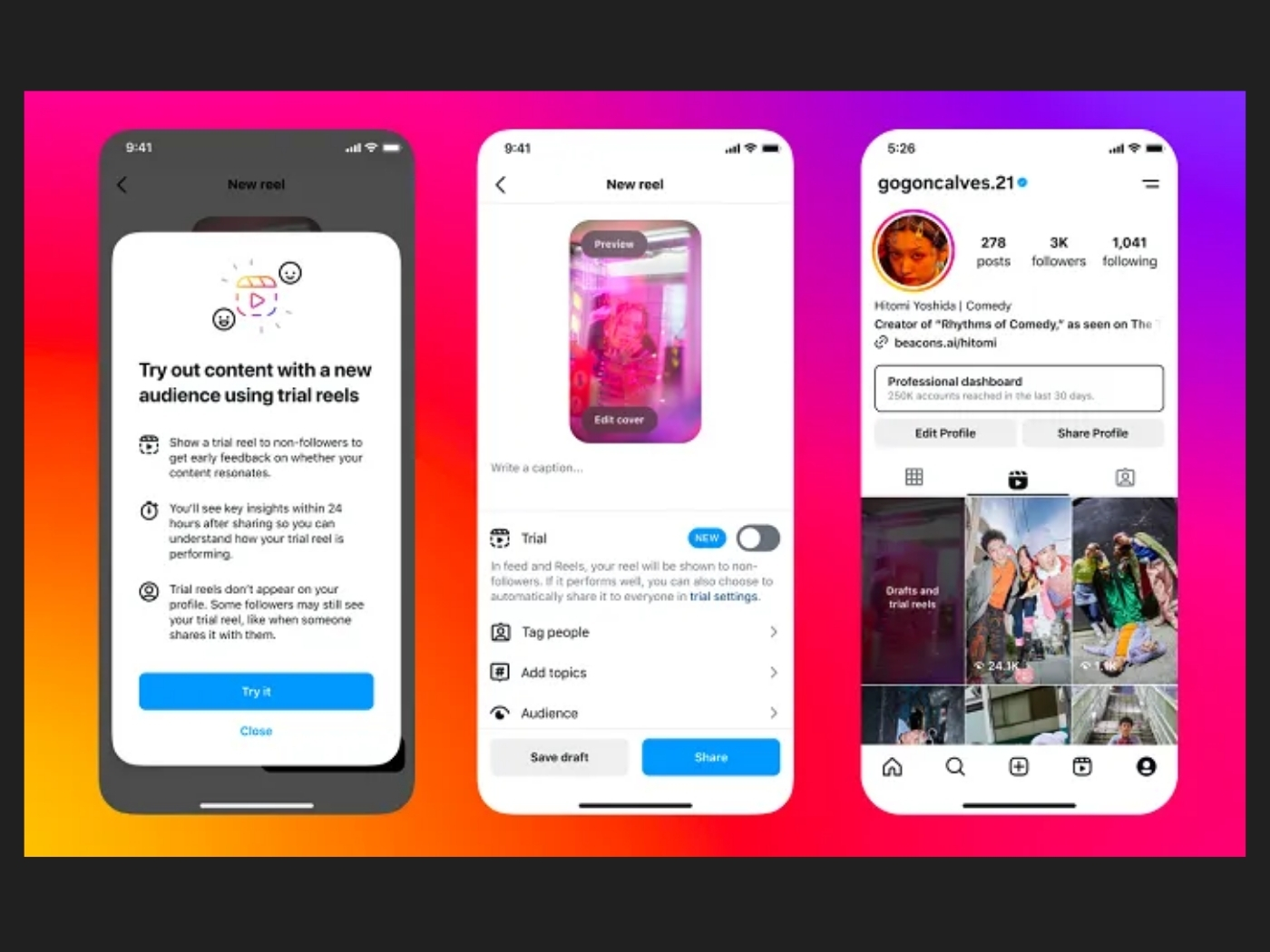
Instagram has expanded access to its “Trial Reels” feature, which allows creators to test how their Reels videos resonate with a broader audience before sharing them publicly. Initially launched last December, this feature is now available to all creators with at least 1,000 followers and a public account.
Trial Reels work by showing your content to a select group of users who do not follow your profile, providing early insights into the likely performance of your Reel. Importantly, these Trial Reels are not displayed to your existing followers, either in their main Feed or via the Reels tab. This mechanism aims to give creators an unbiased assessment of content quality, free from the potential influence of friends and family, while also helping to reach a broader audience by exposing content to new viewers. Some creators are leveraging this by re-posting older Reels as Trial Reels to gain more value from their existing content, a practice Instagram seemingly does not object to.
To create a Trial Reel, you can enable the “Trial” option using the toggle at the top of the detail screen within the Reels composer. After sharing your trial Reel, it will appear on your profile alongside your drafts, visible only to you as a trial. It will not be shown to others on your profile, nor will your followers see it in their feed or Reels tab, unless you later decide to share it with everyone. This feature provides a valuable tool for creators to test and optimize their content before a full release to their main audience.
Google Adds Still Image Animation to Its AI Creation Suite
Google has launched a new feature within its Flow AI creation tool that enables users to animate still images and add speech to them. This functionality allows users to input their own images (such as photos of their pets) to serve as the starting frame of a video clip, and then utilize the Veo 3 model to generate speech, sound effects, and background noise for these clips.
This new capability has the potential to spark various new content trends across social apps, similar to how Google’s Veo AI video generation tool has already led to a range of innovative clips, such as “AI bigfoot videos” or “a day in the life of a Stormtrooper” content. Google suggests that this animation feature in Flow could lead to interesting experiments for brands, allowing them to infuse more personality into their product shots or explore new content concepts through AI, aligning with their branding and promotional goals.
However, the article also raises concerns about the potential for the creation of “offensive content,” particularly those leveraging racist or ableist tropes, which have been observed with similar AI tools. This still image animation feature is also susceptible to such misuse. The new AI image animation element is available in the latest version of Flow, specifically when using its “Frames to Video” feature.
YouTube Updates Trending Content Displays To Keep Users Watching for Longer
YouTube is making a significant shift in its in-app discovery features, removing its “Trending” and “Trending Now” listings. These will be replaced by a series of category-specific charts. This update aims to align with evolving user behaviors across different content categories and encourage more focused, topical engagement.
YouTube explains that when the “Trending” page launched in 2015, defining “what’s trending” was simpler, often confined to a single list of viral videos. However, today’s trends are more fragmented, comprising numerous micro-trends and content from diverse fandoms. Viewers now discover trends through various avenues, including personalized recommendations, search suggestions, Shorts, comments, and communities. Consequently, YouTube has observed a significant decline in visits to the “Trending” page over the past five years.
To adapt to this shift, YouTube is transitioning to a new system via its “Charts” page, which will offer insights into a broader range of categories. Moving forward, users will be able to find the most popular content in specific categories like “Trending Music Videos,” “Weekly Top Podcast Shows,” and “Trending Movie Trailers,” with more content categories to be added over time. The Gaming Explore page will remain the primary destination for trending gaming videos.
YouTube emphasizes that this change is more aligned with keeping users engaged through personalized recommendations. They suggest that algorithmic recommendations are more effective at encouraging continuous scrolling within the main feeds, rather than prompting users to navigate to a separate “Trending” section. YouTube believes this approach allows them to present a wider array of relevant popular content, making discovery feel more natural for viewers. Users will still be able to browse non-personalized content through the “Explore” menu, creator channels, and their subscription feeds. This strategic move suggests YouTube is prioritizing continuous watch time within personalized feeds over the distinct “Trending” lists.